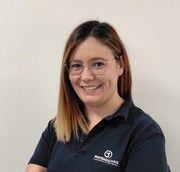

Olivia Rippstein
Physiotherapist · Gimel
À coeur d'être
Home visits
Rue des Sept Fontaines 27, 1188 Gimel
Next availability: Wed 25 Nov
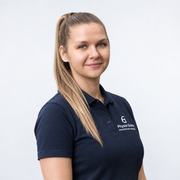
Physiothérapeute passionnée par sa profession, Diana Gonçalves se distingue par sa proximité avec ses patients et son sourire constant. Diplômée au Portugal ...
Next availability: Wed 11 Nov
Je suis physiothérapeute diplômée de l’Université de Szeged en Hongrie et je possède plus de huit ans d’expérience dans le domaine de la physiothérapie hospi...
Next availability: Mon 16 Nov
- General Physiotherapy - Manual therapy - Dry Needling - Lymphatic Drainage - Neurological treatment - Kinesio Taping
Appointments can be booked online 24/7 with immediate confirmation via SMS or email. Select the type of session you require when booking—initial consultation, regular follow-up, lymphatic drainage, or post-operative rehabilitation—so the physiotherapist can prepare your treatment plan. If no suitable time slots are available in Gimel, expand your search to neighboring towns.
In Switzerland, a doctor's prescription is required for physiotherapy sessions to be reimbursed by basic health insurance (LAMal). The standard prescription covers nine sessions. Your doctor can renew it if treatment needs to continue. Without a prescription, you can consult a physiotherapist at your own expense—some supplemental insurance plans cover part of the cost.
The physiotherapist will conduct a comprehensive assessment: posture evaluation, functional tests, and a discussion of your symptoms and goals. Please allow 45 minutes for this initial appointment. A treatment plan will be developed following this assessment, with a session frequency tailored to your individual needs—generally one to three times per week.
The physiotherapist works on functional rehabilitation: muscle strengthening, joint mobility, and recovery after injury or surgery. The osteopath focuses on structural manipulations to relieve tension and blockages. The two approaches are complementary. Physiotherapy is covered by basic health insurance (LAMal) with a prescription, while osteopathy is covered by supplemental insurance.